Quick Look
• The FBI raid on Washington Post reporter’s home shows uncertainty about biometrics under the Fifth Amendment.
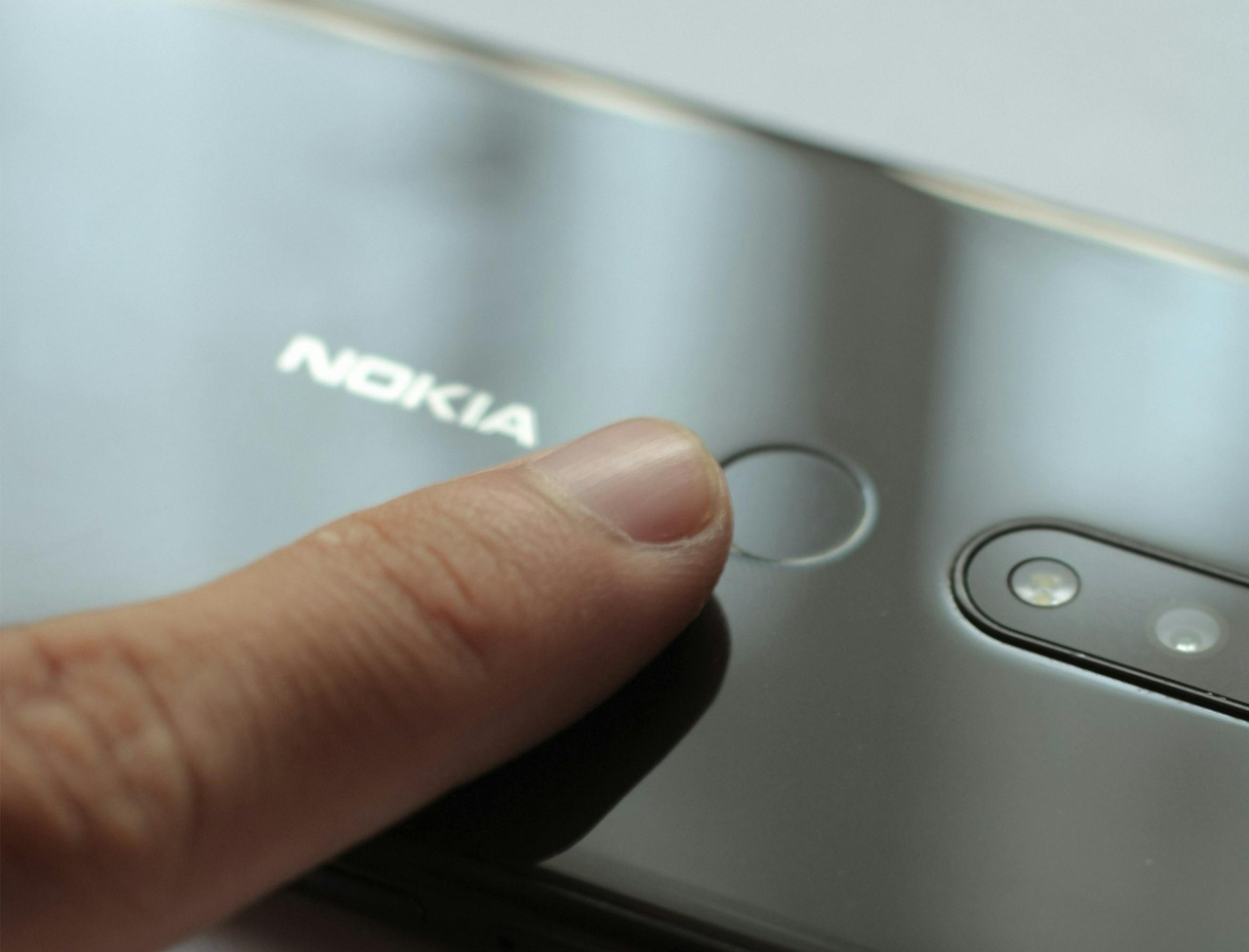
• Hannah Natanson was compelled to unlock a MacBook with her fingerprint.
• Until the law is clarified, use PINs/passwords instead of biometrics.
While much ink has been spilled about the potential chilling effect the raid on Natanson's home may have, some key details of the search are now coming to light.
Authorities seized several devices from Natanson's home
Authorities seized several devices from Natanson's home during the January 14th raid
In court filings, the federal government has now detailed the devices seized from Natanson's home, which included two laptops, a cell phone, an audio recorder, a hard drive, and a smartwatch.
There is a saying in cryptocurrency: “not your keys; not your coins.”
In essence, if you don't control the keys to the wallet containing the cryptocurrency—usually a series of random words generated at the time that the wallet is created—then you don't really own the money inside it.
It's the difference between having your money in a bank that actually possesses your cash and lets you access it, or in an impenetrable safe where only you know the combination. If you possess the cash and the safe, you truly own the money.
There are a lot of positives to using biometrics on your devices. It's hard to deny their convenience and in some ways, avoiding passwords can be a good thing since they can be forgotten or stolen.
But the law doesn't necessarily treat your fingerprint the same as a PIN code or password when it comes to unlocking your device. This means you could be compelled to unlock your phone or computer depending on which unlock method you use.