An FBI raid on a reporter’s home shows the problem with biometrics
Quick Look
• The FBI raid on Washington Post reporter’s home shows uncertainty about biometrics under the Fifth Amendment.
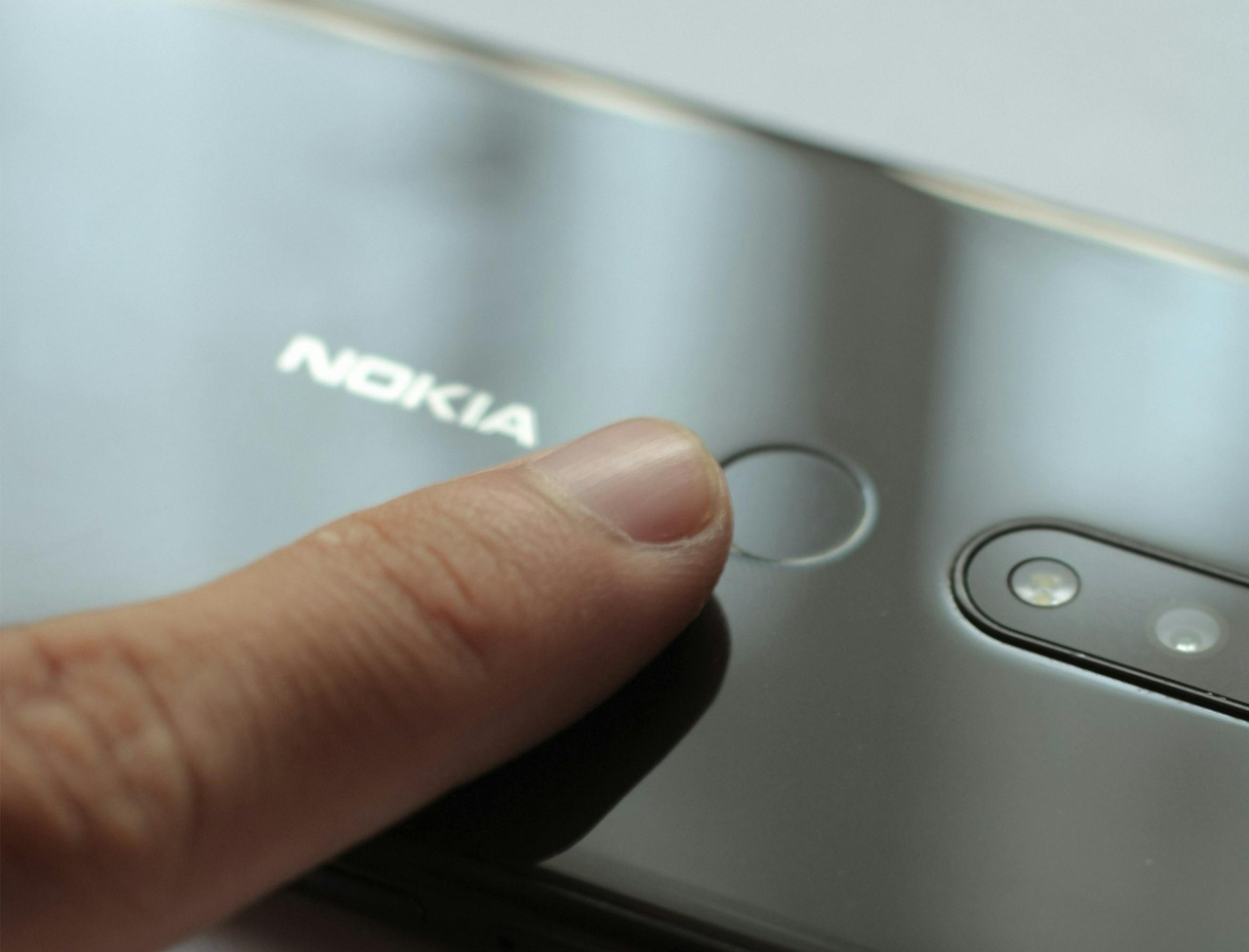
• Hannah Natanson was compelled to unlock a MacBook with her fingerprint.
• Until the law is clarified, use PINs/passwords instead of biometrics.
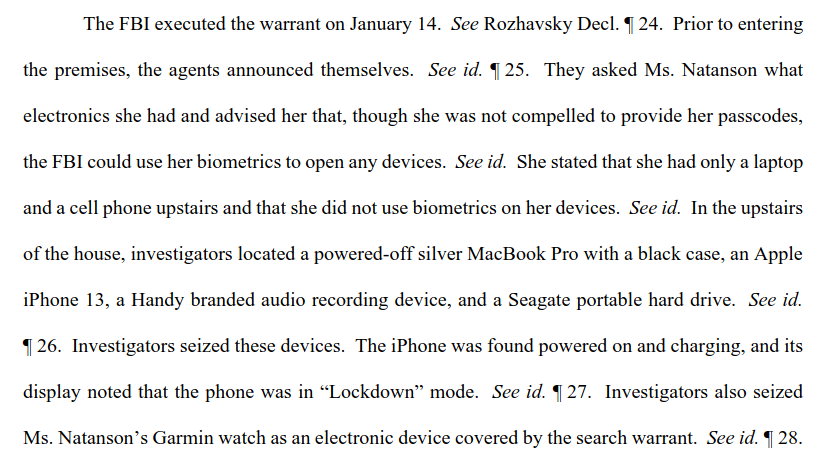
Recently, the FBI served a search warrant on the home of Washington Post reporter Hannah Natanson.
It's rightfully being decried as yet another disturbing attack by the Trump Administration on America's tradition of free and independent press—a tradition that was dealt yet another blow this week when the Administration arrested four Black journalists in Minnesota, one of whom was former CNN anchor Don Lemon.
While much ink has been spilled about the potential chilling effect the raid on Natanson's home may have, some key details of the search are now coming to light.
Authorities seized several devices from Natanson's home